


What to Keep an Eye on in Tigard and Beaverton Right Now
The housing conversation in Washington County is moving quickly, and buyers and sellers alike benefit from paying attention to the details instead of the headlines alone. In Tigard and Beaverton, market conditions can shift from one neighborhood to the next based on pricing, inventory, commuting patterns, and the condition of available homes. That makes this a moment for clear strategy, realistic expectations, and a close read on local activity rather than broad assumptions about the region.
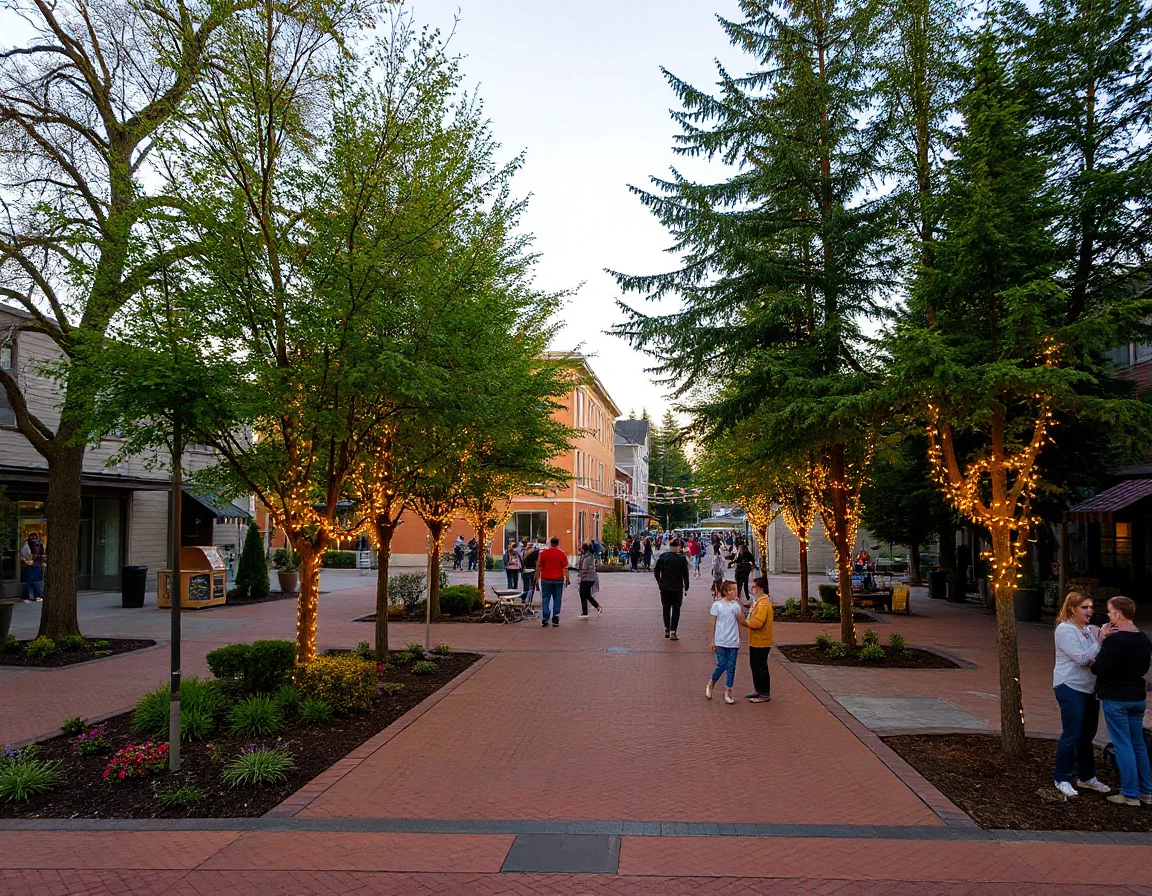
For buyers, one of the biggest themes is that well-prepared listings can still attract strong attention, especially when they offer updated kitchens, flexible living areas, efficient layouts, or convenient access to major routes like Highway 217, OR-99W, and US-26. Homes near parks, trail connections, retail centers, and major employment corridors often stand out because they combine everyday convenience with long-term usability. Even so, not every listing is moving at the same pace. Properties that are priced too aggressively or need substantial updates may sit longer, creating opportunities for buyers who are willing to compare options carefully.
Sellers should be watching that same divide. The market is rewarding homes that feel move-in ready, present well online, and show a clear value proposition from the first day they hit the market. That means photography, staging, repair work, and pricing are doing a lot of the heavy lifting. In communities across Tigard and Beaverton, buyers are often comparing monthly affordability just as closely as purchase price, so details like property taxes, HOA dues, energy efficiency, and likely maintenance costs can shape how a listing is perceived.
Another important factor right now is rate sensitivity. When financing costs move, buyer behavior changes fast. Some shoppers pause, while others adjust their search by considering townhomes, condos, or homes that need cosmetic improvements. For sellers, this can create a narrower but still motivated audience. The key is understanding that today’s buyers tend to be deliberate. They are reading disclosures, comparing recent sales closely, and thinking beyond curb appeal to questions about roof age, systems, storage, work-from-home space, and future resale potential.
Why Local Amenities Still Matter to Market Momentum
Tigard and Beaverton continue to draw attention because daily life is practical here. Residents have access to a broad mix of parks, trail systems, shopping areas, libraries, community spaces, and transit options, and that variety influences real estate decisions in a meaningful way. Buyers often look for homes that make routines easier, whether that means proximity to the Tualatin Hills Park & Recreation District facilities, nearby grocery options, regional medical services, or straightforward travel into Portland and surrounding employment centers.
Beaverton in particular benefits from a wide range of housing types and commercial districts, giving buyers more ways to match budget, layout, and location preferences. Tigard offers its own appeal through established residential pockets, access to Fanno Creek Trail, and connections to larger retail and transportation hubs. Neither market fits neatly into a single category, and that variety is part of what makes pricing strategy so important. A home near a trail, a renovated ranch on a quiet street, and a newer attached property near transit may all attract attention from different segments of the market, even if they sit at similar price points.
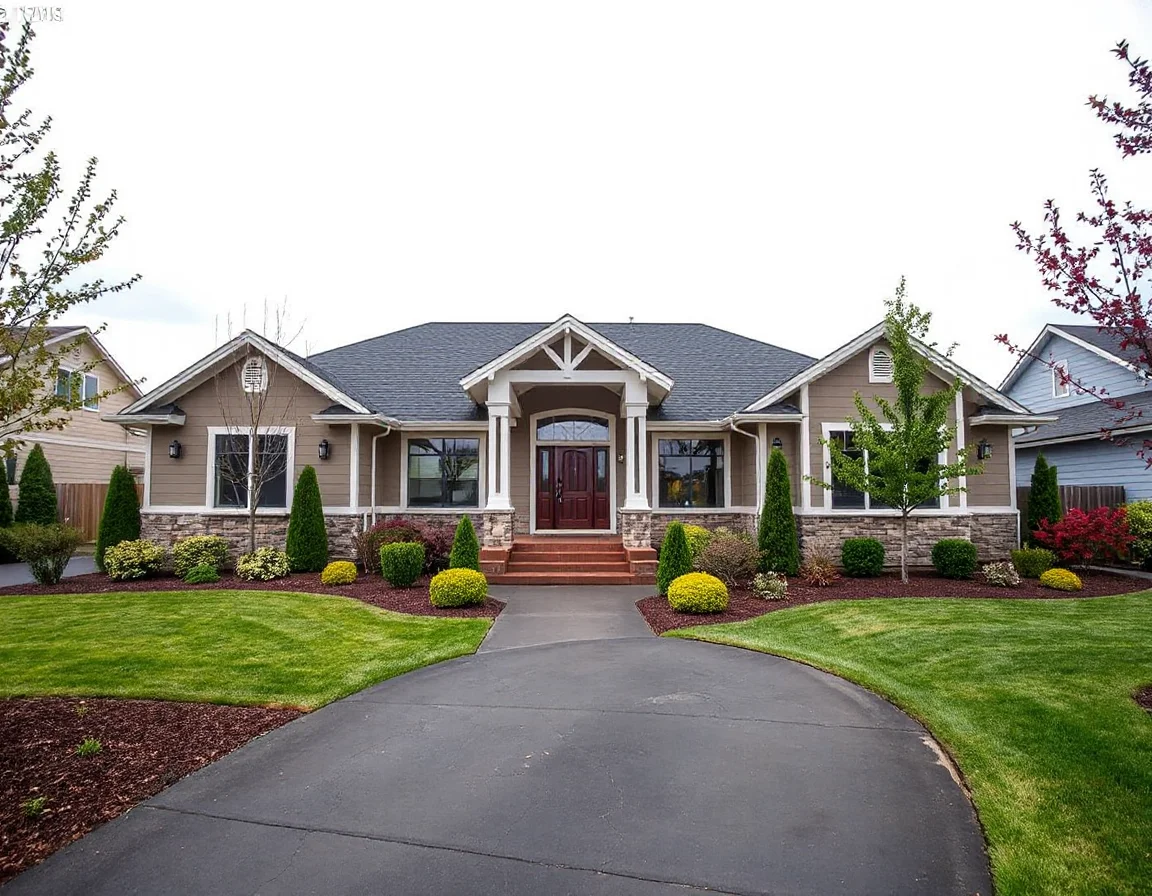
School information also remains part of many buyers’ research process, but the most useful approach is to focus on objective facts: district boundaries, program offerings, commute implications, and access to educational facilities or community resources. In the same way, dining and recreation should be described by convenience and variety rather than by who might enjoy them. From everyday errands to weekend outings, both cities offer a mix of practical amenities that support sustained housing demand.
That demand, however, does not mean every seller can skip preparation. Buyers have more information than ever, and they notice deferred maintenance quickly. Older windows, worn flooring, dated lighting, and unfinished repairs can influence both showing traffic and offer strength. On the other hand, homes that are clean, well cared for, and honestly priced often perform better than expected, even in a market where buyers are taking more time to decide.
What Buyers Should Evaluate Before Making an Offer
Preparation is a competitive advantage. Buyers shopping in Tigard and Beaverton should know their financing range, monthly comfort zone, and must-have features before stepping into active negotiations. This helps narrow the search and reduces the temptation to stretch for a property that may look appealing at first glance but creates pressure later through repairs, commuting costs, or layout compromises.
It is also smart to compare not just list prices, but the story behind them. How long has the home been on the market? Have there been price adjustments? What do comparable recent sales suggest? Is the property updated in a way that adds lasting value, or are the improvements mostly cosmetic? Looking at these questions can help buyers spot when a listing is aligned with the market and when it may leave room for negotiation on price, closing costs, repairs, or timelines.
Inspection planning matters too. In this part of Oregon, buyers often pay close attention to roofs, drainage, crawlspaces, moisture issues, siding condition, HVAC performance, and the age of major systems. A beautifully staged home can still come with deferred maintenance, while a less polished listing may have solid fundamentals. The most successful buyers usually balance emotional connection with disciplined due diligence.
What Sellers Can Do to Stay Competitive
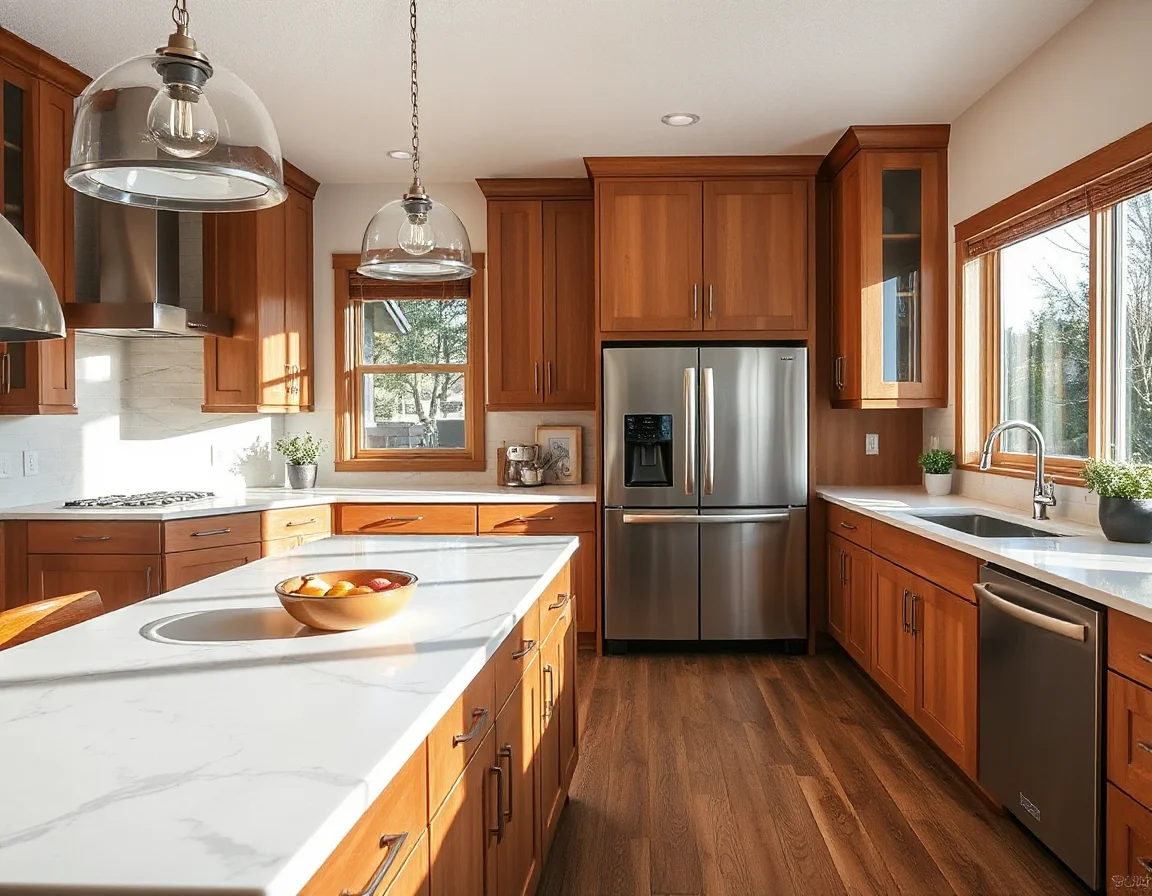
Sellers who want strong results should focus on presentation, pricing, and timing as a connected package. A polished listing starts with the basics: decluttering, neutralizing overly personalized rooms, addressing visible maintenance, and making sure the property photographs well. In many cases, small updates such as paint, hardware, lighting, landscaping touch-ups, and professional cleaning can improve first impressions far more than a major renovation completed in haste.
Pricing remains the most important signal a seller sends to the market. In a setting where buyers are comparing mortgage scenarios carefully, an aspirational list price can reduce activity in the critical first week. A data-based price, by contrast, may create stronger engagement and better leverage. Sellers should also be ready for practical requests from buyers, including inspection-related repairs, credits, or flexibility on closing dates.
The good news is that both Tigard and Beaverton continue to offer broad appeal because they combine access, amenities, and a diverse housing stock. That gives sellers a strong foundation, provided they enter the market with realistic goals and a plan tailored to current conditions instead of last year’s assumptions.
For anyone buying or selling in either city, the takeaway is simple: watch inventory, pricing discipline, and home condition closely. The market is still active, but it is rewarding preparation and punishing shortcuts. With a clear strategy and careful local guidance, it is possible to move confidently and make decisions that hold up well long after closing day.