


Pricing a home well in Tigard or Tualatin is less about guessing high and more about creating a strong first impression in the market. The right list price can increase showing activity, reduce time on market, and improve the odds of clean, competitive offers. A smart strategy blends current neighborhood data, buyer behavior, and the condition of your home.
Why pricing matters more than ever
When a home first hits the market, it gets the most attention it is likely to receive. Buyers who have been watching new listings tend to move quickly, and they compare value across several homes at once. That means the opening price is not just a number on a listing sheet; it is part of the marketing strategy that shapes whether buyers schedule a showing, save the home online, or move on to the next option.
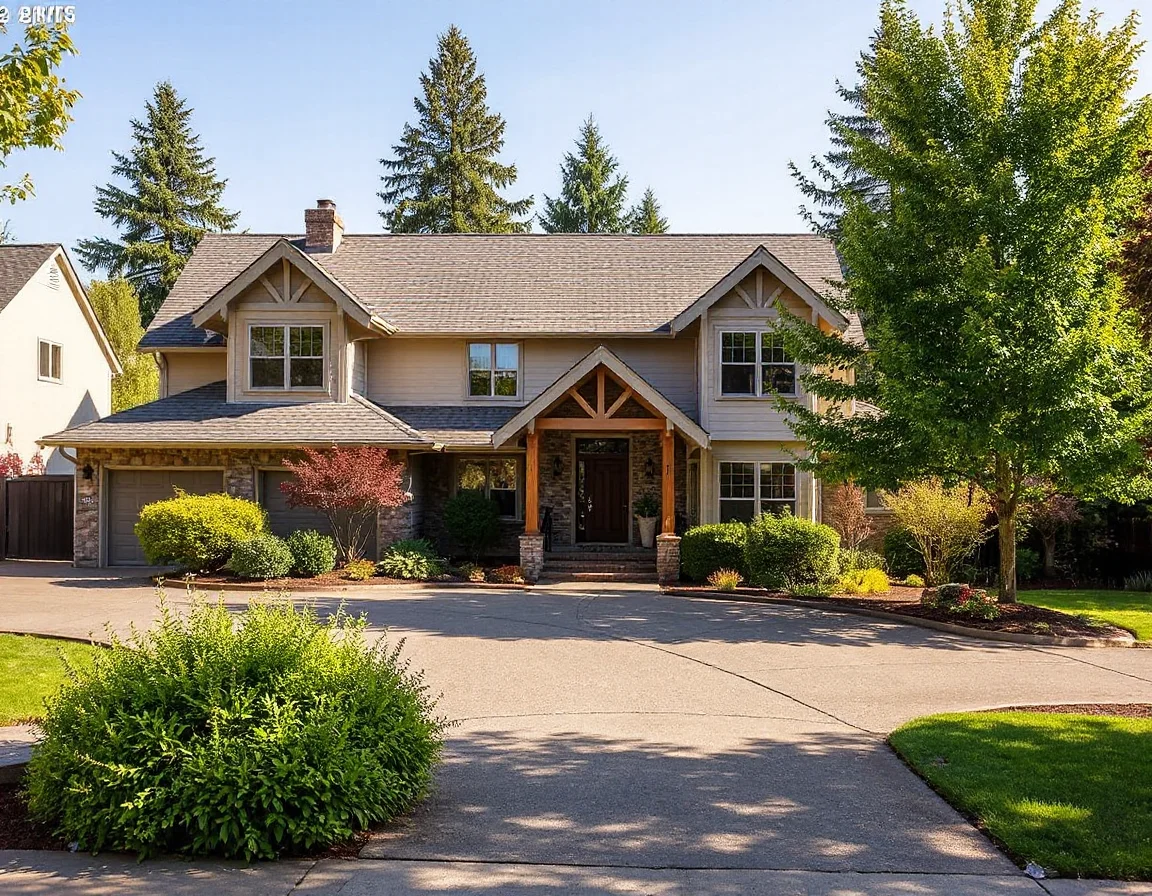
In Tigard and Tualatin, pricing has to reflect local realities rather than last year’s headlines or a neighbor’s renovation story. Mortgage rates, seasonal inventory, and how many similar homes are available all influence where buyers see value. A home that is priced too aggressively may sit longer, prompting price reductions and questions from buyers about why it has not sold. On the other hand, a home priced carefully can create momentum early and help the seller stay in a stronger negotiating position.
That is especially true in markets where buyers are informed and search tools make comparisons easy. They can review price per square foot, lot size, updates, and days on market within minutes. If your home is noticeably above similar options without a clear reason, many buyers will simply skip it before ever stepping through the door.
The first 7 to 14 days often bring the highest online traffic for a new listing. Strong pricing during that window can make a measurable difference in showing volume and offer activity.
Start with the comparable sales, not the wish list
A solid pricing plan begins with recent comparable sales, but not every nearby sale is truly comparable. The most useful data comes from homes with similar square footage, lot characteristics, age, condition, and location within Tigard or Tualatin. A remodeled one-level home near parks and commuting routes may not compare well to a home with a different layout, less updated finishes, or a busier setting, even if the properties are close on a map.
Pending listings also matter because they show where today’s buyers are willing to act. Active listings reveal the current competition, and expired or withdrawn listings can be just as instructive because they often highlight where pricing missed the market. Looking at all four categories together—sold, pending, active, and unsold—gives a much clearer picture than relying on one sales statistic alone.
Sellers sometimes focus on the highest sale in the neighborhood, but that number only helps if the home truly earned it. Premium prices usually reflect a mix of features such as updated kitchens, newer roofing, outdoor living improvements, flexible floor plans, or particularly strong presentation. The goal is not to chase the highest comp; it is to position your home where buyers can recognize its value quickly.
Condition, presentation, and timing all affect price
Price is never judged in isolation. Buyers react to the whole package: photos, curb appeal, maintenance level, updates, staging, and how smoothly the home shows in person. Two homes with nearly identical floor plans can receive very different responses if one feels bright, cared for, and move-in ready while the other suggests deferred maintenance or incomplete projects.
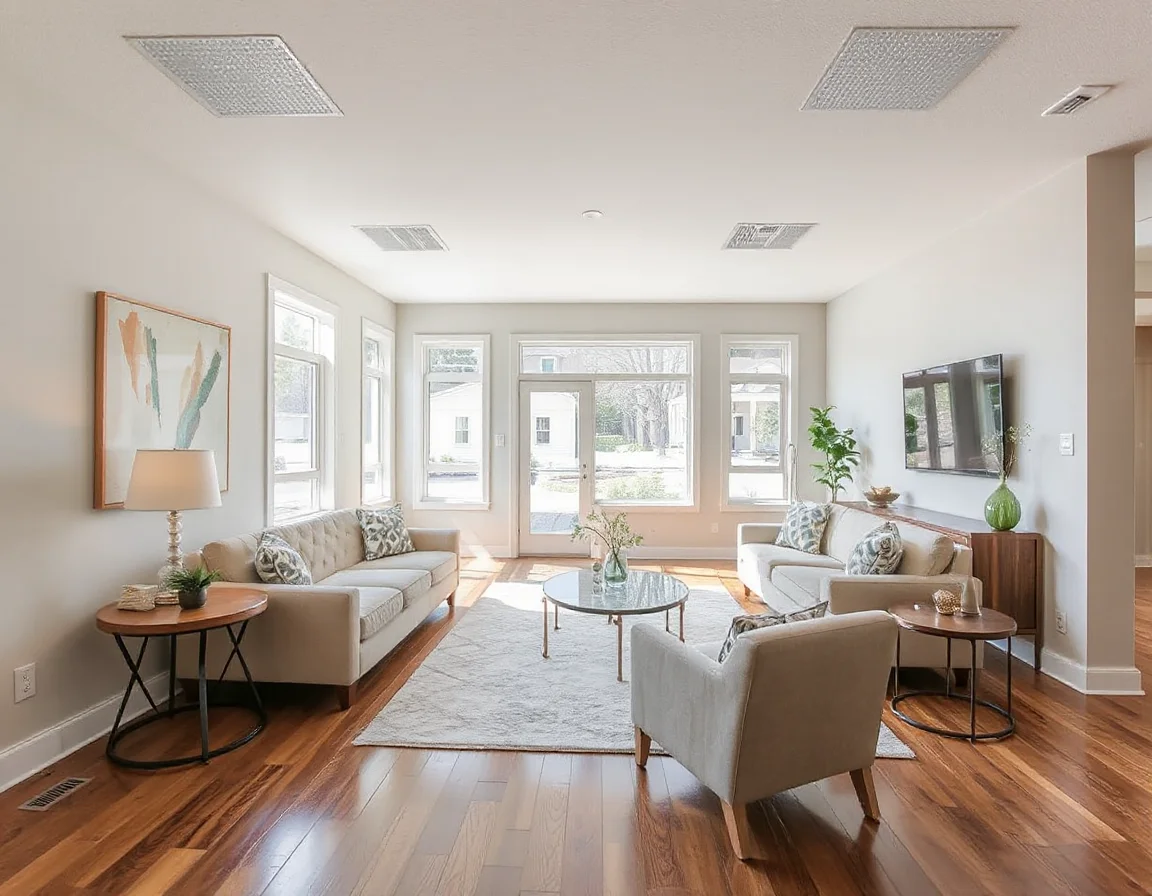
That is why pricing conversations should happen alongside preparation decisions. Fresh paint, clean flooring, decluttering, and small repair work may shift how buyers perceive value. In many cases, these updates do not need to be extensive to matter. What matters most is removing obvious friction so that buyers can focus on the layout, light, and features rather than a to-do list.
Timing also plays a role. Inventory patterns in the Portland metro area can change from season to season, and buyer activity often rises and falls with the school calendar, weather, and interest rate news. A well-prepared home launched during a period of limited competing inventory may be able to price differently than a similar home entering the market during a busier stretch. Pricing should respond to current conditions, not just to historical averages.
Small pre-listing improvements often support stronger pricing when they help the home photograph cleanly and show consistently well across multiple buyer visits.
In practical terms, sellers should think about price bands too. A home listed at $799,000 may show up in more saved searches than one priced at $805,000, even though the difference is modest. Search behavior matters because the right number can widen exposure without changing the home itself.
Avoid the common overpricing trap
One of the most persistent myths in real estate is that it is best to “leave room to negotiate” by starting high. In reality, overpricing often reduces the number of buyers who even consider the home. Fewer showings can lead to fewer offers, and fewer offers usually mean less leverage. By the time a price reduction happens, the listing may have lost some of the urgency that comes with being new to the market.
There is also a subtle perception issue. When buyers see a home sitting longer than comparable properties, they may assume something is wrong with it, even when the issue is simply price. That can lead to lower offers or more aggressive negotiation requests. Pricing accurately from the beginning is often the cleaner path.
That does not mean pricing low without a plan. It means identifying a strategic range where the home feels compelling relative to the competition and realistic for the current market. In some situations, that strategy can encourage multiple interested buyers. In others, it may simply help the seller attract a strong offer sooner and avoid a drawn-out listing period.
See how listing strategy comes together
Local knowledge makes the pricing strategy sharper
Tigard and Tualatin each include a range of property types, lot sizes, commuting patterns, and neighborhood settings, so broad metro averages rarely tell the whole story. A pricing recommendation should account for micro-market differences, including whether buyers are currently responding more strongly to updated traditional homes, newer construction, townhomes with lower-maintenance yards, or properties with extra office or flex space.
Local insight also helps interpret details that raw data can miss. Backing to an open area, proximity to major routes, a recent remodel, or a particularly functional floor plan may influence how buyers compare one home to another. The best pricing strategy combines neighborhood-level data with on-the-ground judgment about what buyers are reacting to right now.
For sellers, that means the question is not simply, “What is my home worth?” A better question is, “At what price will my home attract the strongest response from today’s buyers?” Those are related questions, but they are not always identical. Market value is important, yet marketing position is what turns value into action.
The goal is attention, leverage, and a smoother sale
Pricing your Tigard or Tualatin home to attract offers is really about aligning data, presentation, and timing. When those pieces work together, the home has a better chance of standing out for the right reasons. That can mean more showings, stronger buyer confidence, and a better path through negotiations.
If you are preparing to sell, the smartest next step is a pricing review based on current local comparables, competition, and your home’s specific features. A thoughtful launch can make the entire listing process feel more efficient—and often more rewarding—than starting high and adjusting later.