

HOA rules can shape everything from monthly housing costs to exterior updates, parking, rentals, and the timing of a future sale. Before making an offer in Tigard or Tualatin, review the documents that explain how a community operates—not just the listing photos. A careful review now can help you compare homes with clearer expectations and fewer surprises after closing.
Start With the Documents, Not Assumptions
Homeowners associations are common in many Tigard and Tualatin developments, especially townhome, condominium, and planned-community properties. An HOA can maintain shared areas, coordinate exterior standards, manage community budgets, and collect assessments for ongoing services. The exact experience, however, varies widely from one association to another. Two homes with similar list prices can carry very different monthly dues, reserve funding, restrictions, and future financial obligations.
The most useful starting point is the resale package or condominium document package. Depending on the property type, this may include the declaration, bylaws, covenants, conditions and restrictions, rules and regulations, current budget, financial statements, meeting minutes, reserve information, insurance details, and a statement of assessments due. These are not merely administrative papers. They reveal how the association makes decisions, what homeowners are responsible for, and whether major maintenance work may be approaching.
Pay particular attention to the difference between monthly assessments and potential special assessments. Regular dues may cover items such as landscaping, exterior maintenance, water, sewer, shared insurance, or common-area utilities, but every association has its own scope. A special assessment is an additional charge that may be approved to address a project or expense not fully covered by the regular budget or reserves. Reviewing the budget and reserve materials can help put those possibilities in context.
The monthly HOA fee is only one number in the ownership picture. The budget, reserve funding, insurance structure, and recent meeting minutes often provide the fuller story.
Meeting minutes deserve extra attention because they can show what the community has been discussing recently: roof work, pavement repairs, drainage questions, insurance renewals, rule updates, contractor bids, or changes to assessments. A mention in the minutes does not automatically mean a future charge is certain, but it gives a buyer useful questions to raise before moving forward. When documents are unclear, a buyer can request clarification through the appropriate transaction channels and consult qualified legal, financial, or insurance professionals as needed.
Understand the Rules That Affect Daily Use
Rules are often the most visible part of HOA living. They may address exterior paint colors, landscaping, fencing, satellite equipment, storage, vehicle parking, pet policies, holiday décor, noise procedures, rental requirements, and the approval process for changes to a home. The purpose is generally to create a consistent framework for shared property and common areas, but the practical impact depends on how each household plans to use the home.

For example, a homeowner considering a backyard project, an electric-vehicle charger, a new front door, solar equipment, or a substantial landscape change should look for architectural-review requirements before assuming work can begin. In some communities, approval is needed before modifications are made; in others, the association’s role may be limited. The documents should describe application steps, review timelines, standards, and possible appeal procedures.
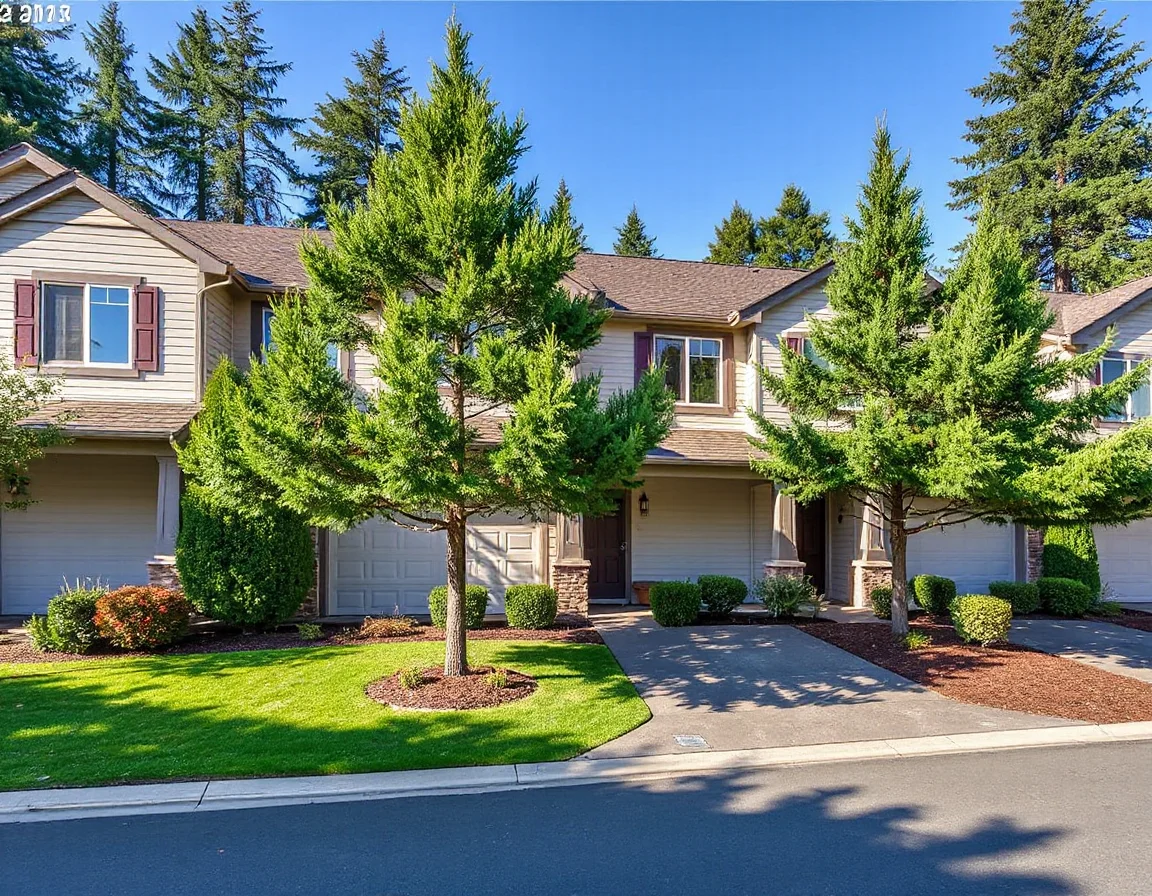
Parking rules can also be especially important in attached-home communities or neighborhoods with private streets. Review whether guest parking is designated, whether commercial vehicles or recreational vehicles have limitations, and whether garages must be used in a particular way. If a listing highlights a driveway, garage, or shared parking area, it is still wise to confirm the governing documents rather than relying on a general description.
Rental rules require the same careful reading. Some associations have leasing caps, minimum lease terms, registration requirements, or limits tied to local and state law. These policies can change, and they may affect both present plans and future flexibility. Buyers should review the current written rule, ask whether any cap has been reached if applicable, and consider obtaining advice appropriate to their individual situation before relying on rental income in a financial plan.
A rule that seems minor during a showing can matter later. Match the written HOA policies to the improvements, parking arrangements, and ownership plans you expect to have.
It is also helpful to distinguish between rules that are clearly written and practices that are simply assumed. A knowledgeable real estate professional can help identify questions to ask, but the association documents and qualified advisors are the best sources for definitive answers. This approach keeps decisions grounded in the property’s actual requirements rather than neighborhood hearsay.
Compare the Financial Picture Across Properties
When comparing Tigard and Tualatin homes, include HOA costs in the same worksheet as the mortgage payment, property taxes, insurance, utilities, and anticipated maintenance. A higher monthly HOA assessment may cover services that would otherwise be paid directly by an owner, while a lower assessment may leave more maintenance responsibility with the homeowner. Neither structure is automatically better; the key is understanding what is included and how the association is planning for long-term needs.

For condominium purchases, insurance deserves a closer look. The association typically carries a master policy for certain shared structures or common elements, while an individual owner may need separate coverage for interiors, personal property, liability, deductibles, or other responsibilities. The declaration and insurance summary can help an insurance professional determine what type and level of individual policy may be appropriate. Ask early, since insurance costs and coverage details can affect the overall monthly budget.
Financing may also involve HOA-related review. Lenders can request information about budgets, insurance, litigation, delinquency levels, owner occupancy, and association management. Requirements differ by loan program and lender, so it is useful to share the property address and HOA details with a lender as soon as they are available. Early review can help avoid last-minute document requests during the closing period.
Current Oregon law and association rules can affect disclosure timing and a buyer’s review opportunities. Because legal requirements and HOA documents may change, buyers and sellers should rely on current transaction documents and seek legal advice for legal questions. A thoughtful offer strategy can account for the time needed to review materials, ask questions, and make an informed decision within the applicable contract timelines.
Connect with preferred lenders
A Practical Review Checklist Before You Move Forward
Instead of trying to read every page at once, organize the review around a few practical questions. What does the monthly assessment cover? Is there a recent reserve study or reserve funding plan? Have dues changed recently? Are major repairs, projects, or rule revisions under discussion? Which improvements require approval? What insurance does the association carry, and what remains the owner’s responsibility? Are there leasing, parking, or use restrictions that affect your plans?
- Review the current budget, balance sheet, and reserve information.
- Read recent board or membership meeting minutes for active projects and discussions.
- Confirm the regular assessment amount, payment schedule, and any transfer or move-in fees.
- Read rules related to exterior changes, parking, pets, and leasing if those topics matter to you.
- Ask an insurance professional to review the association’s master-policy summary.
- Discuss financing questions with your lender early in the process.
HOA communities in Tigard and Tualatin can offer a range of home styles and shared-maintenance arrangements, from condominium buildings to townhome developments and detached homes in planned neighborhoods. The best choice is not about finding a universally “good” HOA; it is about finding a property whose costs, responsibilities, services, and rules are transparent and compatible with your priorities. With the right documents in hand and time to review them carefully, you can move from uncertainty to a more confident home-buying decision.