

The maintenance projects that protect resale value are usually not the flashiest ones. In Tigard and Tualatin, a well-kept roofline, dry crawlspace, efficient systems, and tidy exterior can make a home easier to evaluate and more compelling when it is time to sell. Start with condition, prioritize visible wear and costly deferred maintenance, and keep records for the work you complete.
Start With the Work Buyers Can See—and Inspectors Can Confirm
A home does not need a full renovation to make a strong impression. Often, the most valuable maintenance plan is a practical sequence of repairs that protects the structure, reduces uncertainty, and makes everyday features look cared for. In the Tigard and Tualatin area, where wet-season moisture and changing temperatures can test exterior materials, staying ahead of routine maintenance is especially important.

Begin outside. Buyers form an early impression from the approach to the property, but exterior upkeep is about far more than curb appeal. Look closely at roof edges, gutters, downspouts, siding, caulking, paint, window trim, decks, fences, walkways, and drainage. Small gaps in caulk, peeling paint, loose handrails, or clogged gutters can signal that larger items may have been postponed—even when the underlying issue is minor.
Cleaning gutters, directing downspouts away from the foundation, removing moss where appropriate, and trimming vegetation back from siding are straightforward ways to support the home’s exterior. If a roof is nearing the end of its expected service life, obtain a professional assessment rather than guessing. Documentation that explains the roof’s age, recent repairs, or inspection findings helps future buyers understand what they are seeing.
A clean roofline and functional drainage system do double duty: they improve the first impression and help show that water is being moved away from the home where it belongs.
Paint deserves a thoughtful approach, too. A complete exterior repaint may be worthwhile when surfaces are broadly worn, but targeted preparation and touch-ups can be effective when paint failure is limited. The goal is not to hide issues; it is to correct peeling areas, protect exposed materials, and present a consistent, maintained finish. Keep receipts, warranties, color information, and contractor invoices in one place for easy reference later.
Protect the Systems Behind the Walls
Visible updates may draw attention, but the systems that keep a home dry, comfortable, and operational often carry greater weight during a transaction. Heating and cooling equipment, plumbing, electrical components, insulation, crawlspaces, and attic ventilation can all influence inspection conversations and buyer confidence.
Schedule routine HVAC servicing according to manufacturer recommendations, replace filters regularly, and address unusual sounds, uneven heating, or drainage concerns before listing. If the furnace, heat pump, water heater, or electrical panel has been replaced, save permits and service records when available. These details provide useful context without requiring a buyer to piece together the home’s history from appearance alone.
Moisture management should stay near the top of the list. Check around windows, under sinks, at bathroom exhaust fans, and near exterior doors for signs of leaks or persistent condensation. In crawlspaces and attics, look for standing water, damaged vapor barriers, disconnected ductwork, staining, or insulation that has been disturbed by moisture. A licensed professional can help identify the cause and scope of a concern before it becomes a larger repair project.
Not every maintenance decision requires immediate replacement. An older but functioning system may simply need service and transparent records. On the other hand, an active leak, an unsafe electrical condition, or a drainage issue should be addressed promptly. Thoughtful maintenance is less about chasing every trend and more about reducing the risk of surprise repairs during a buyer’s due-diligence period.
For homeowners planning ahead, it can help to create a simple annual calendar: roof and gutter checks before the rainy season, HVAC servicing before periods of heavy use, and exterior inspection after winter weather. Breaking projects into seasons makes the workload manageable and can prevent a long list of last-minute repairs before a sale.
Refresh High-Use Spaces Without Overbuilding
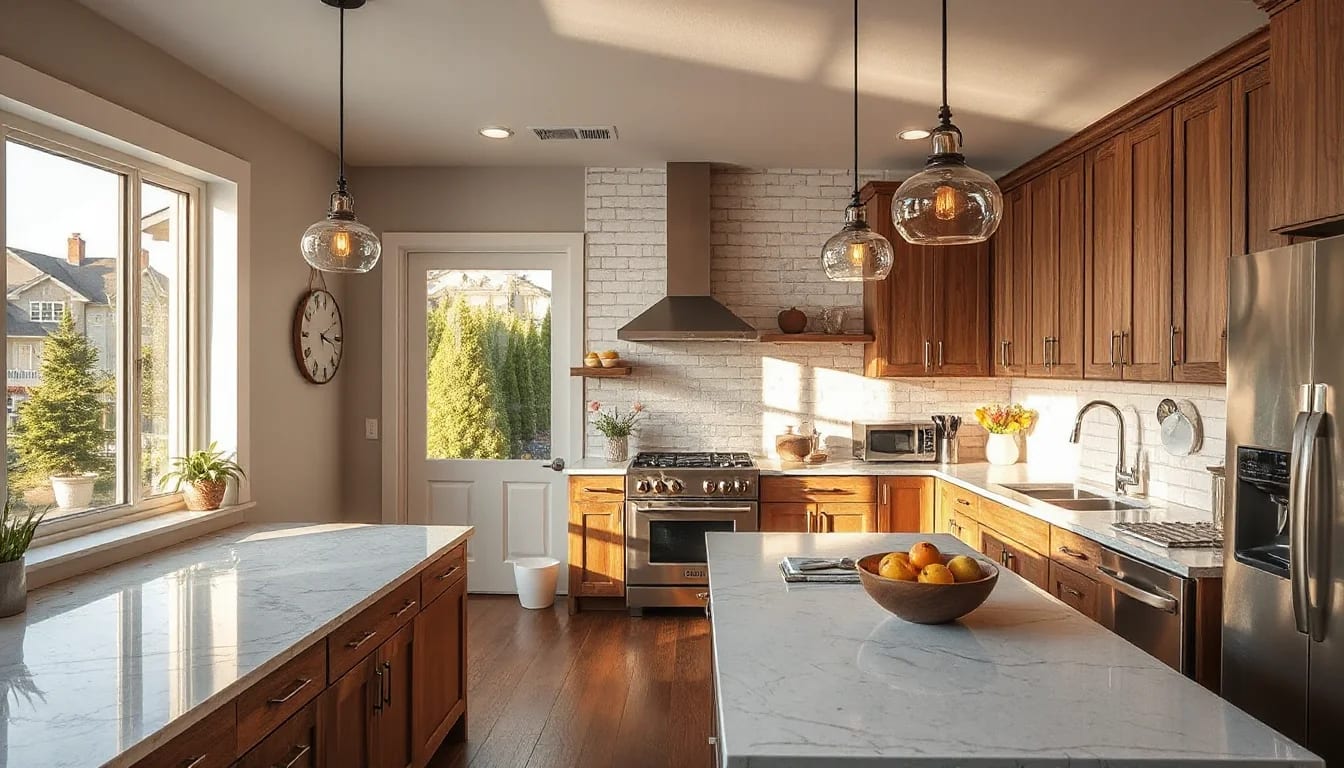
Kitchens and bathrooms are high-use areas, so small maintenance issues there tend to stand out. Grout that is cracked, caulk that has separated, cabinet doors that do not align, slow drains, dripping faucets, and worn hardware are all worth addressing. These fixes are often modest in scope, yet they help rooms feel functional and cared for.
Before committing to a major remodel, consider the condition of the existing space and the likely return on effort. Replacing a failed appliance, repairing damaged flooring, updating a worn light fixture, or repainting scuffed walls may have more practical value than installing highly personalized finishes. Neutral, durable choices can make it easier for prospective buyers to focus on the layout, storage, natural light, and condition of the home.
When a project is primarily cosmetic, prioritize durable repairs and consistent finishes over expensive changes that may not match the next owner’s preferences.
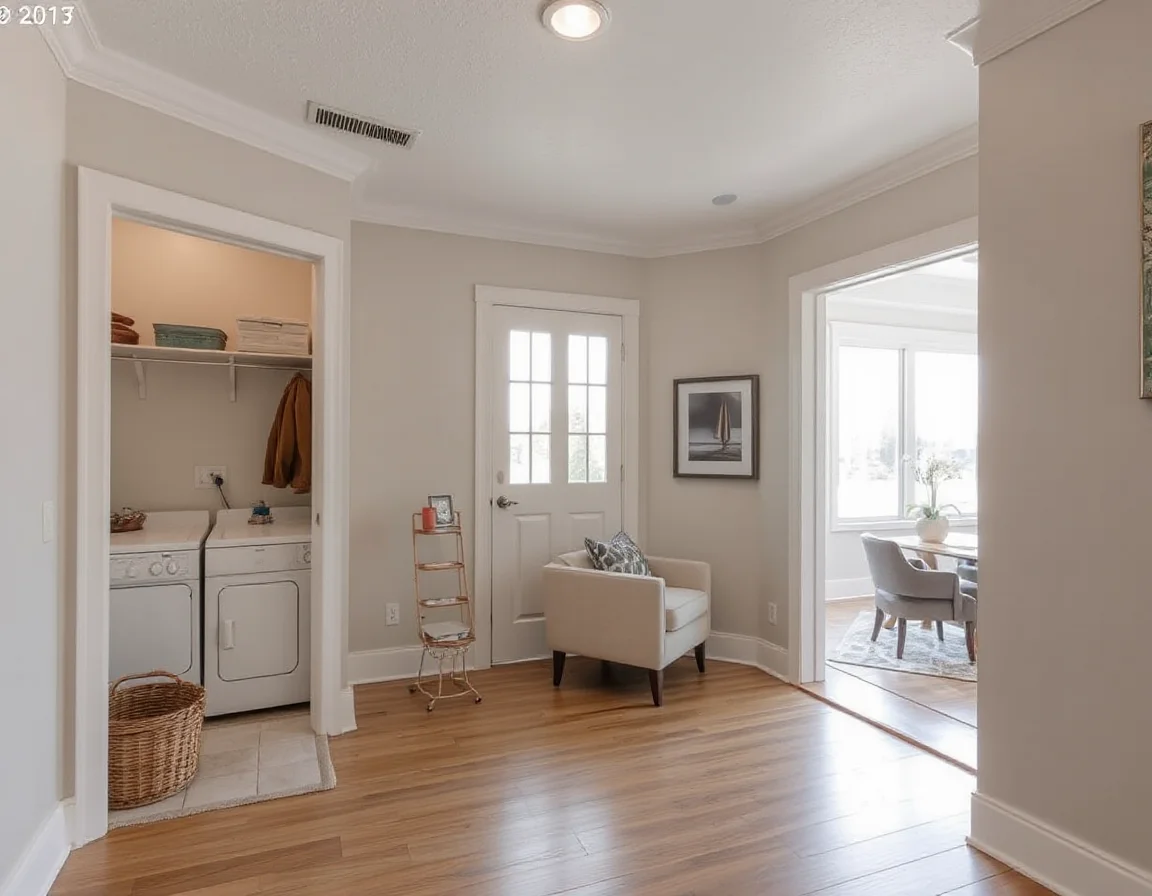
Flooring deserves careful attention because it connects nearly every room. Repair loose transitions, replace visibly damaged sections when possible, and have carpets professionally cleaned if they remain in good condition. If replacement is necessary, select materials suited to the room and install them properly. A clean, continuous visual flow can make a home feel more cohesive without requiring a whole-house redesign.
Lighting is another useful maintenance checkpoint. Replace burned-out bulbs, ensure switches work, clean fixture covers, and consider whether any dated or damaged fixtures need replacement. Bright, functional spaces are easier to evaluate during a showing, especially during Oregon’s cloudier months. Open window coverings and keep landscaping trimmed so daylight can reach interior rooms.
Get a home valuation before planning major updates
Organize Records and Plan the Pre-Listing Review
A well-maintained property tells a clearer story when the paperwork is organized. Create a folder—digital, paper, or both—for invoices, warranties, permits, manuals, repair notes, and dates of major work. Include items such as roof repairs, HVAC service, appliance replacements, plumbing work, pest treatments, drainage improvements, and painting. These records do not replace inspections or disclosures, but they can help establish a useful maintenance timeline.
About two to three months before a planned sale, walk through the property with fresh eyes. Test doors, windows, fans, faucets, appliances, outlets, garage-door operation, and exterior lighting. Note any small repairs that have become easy to overlook. Then sort the list into three categories: safety or active-condition concerns, practical repairs, and optional cosmetic improvements.
It is also wise to consider the property as a complete package. A maintained deck, orderly garage, clean utility areas, working irrigation components, and a usable outdoor space all reinforce the sense that the home has been cared for. In Tigard and Tualatin, outdoor areas can be an important part of how buyers experience a property, whether they are considering garden space, a patio, nearby parks, transit options, local dining, or access to the wider Portland metro area.
A smart maintenance strategy protects both the home and the selling process. Focus first on water, structure, safety, and major systems; then address visible wear and everyday function. By completing repairs deliberately and keeping clear records, homeowners can approach resale with fewer unknowns and a property that is ready to be evaluated on its strongest merits.