

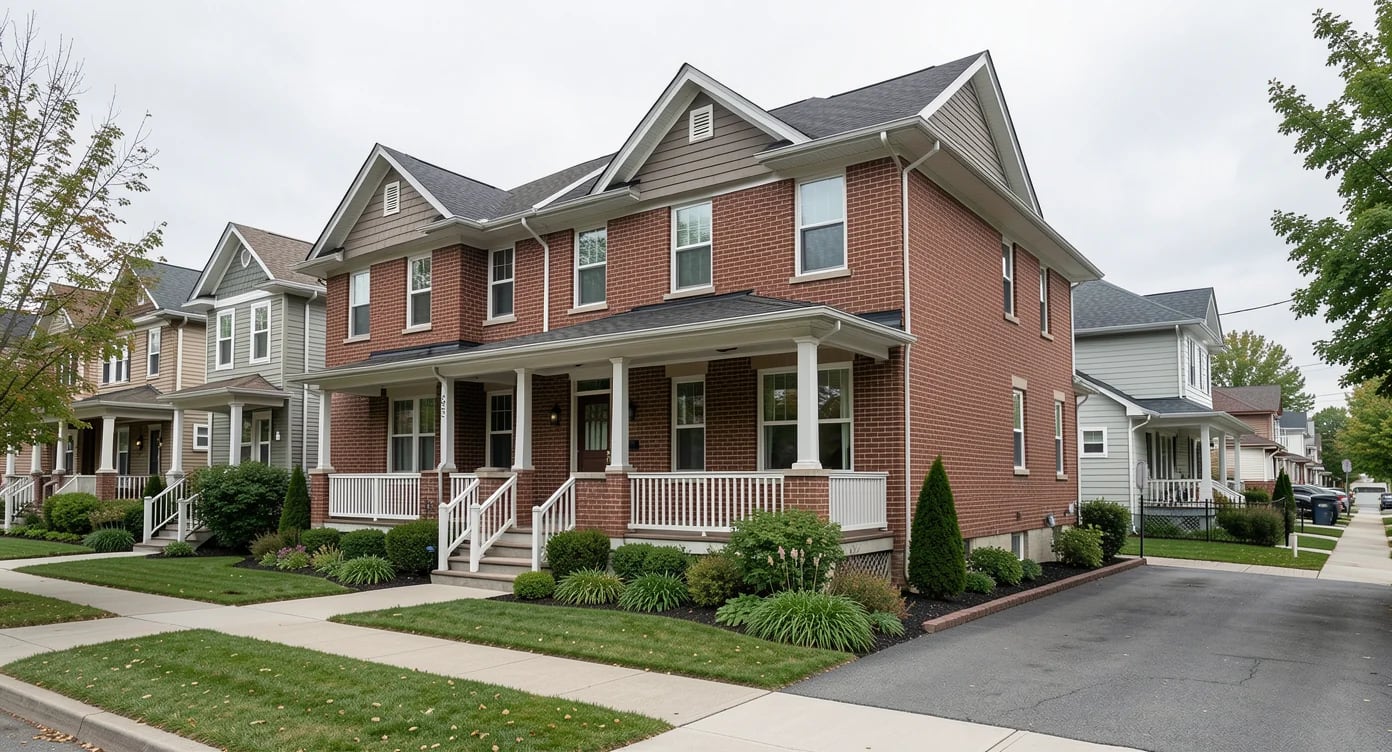
A promising Beaverton rental is more than a home with an appealing monthly rent. Compare realistic income, ownership costs, financing, and rental restrictions before deciding whether a purchase supports your long-term goals. A simple cash-flow model can reveal which assumptions deserve a closer look.
Start with the property, not the projection
A home can look like a strong investment on a listing page and tell a different story once repairs, vacancy, and financing enter the picture. Begin by identifying your plan: Will you rent the property immediately, live in it first, or keep it as a possible rental later? Each approach calls for different conversations with your lender, insurer, and real estate agent.
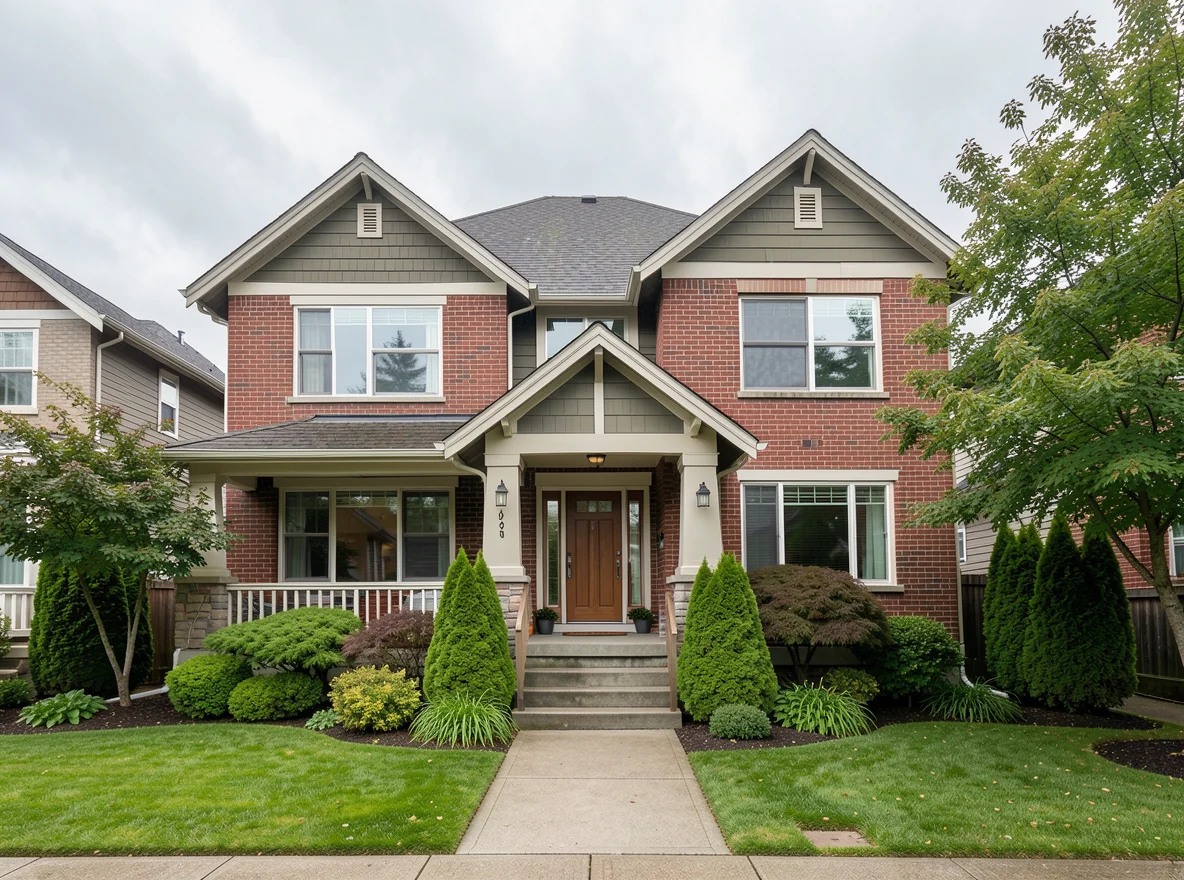
Look at the features a future occupant would actually use: bedroom count, storage, parking, laundry arrangements, outdoor space, and the condition of major systems. A practical layout and durable finishes may reduce turnover work, while an aging roof or heating system can change the budget substantially. An inspection helps turn attractive photos into a more complete picture of the home.
Location matters, but its value depends on the particular address. Compare access to transit, employment centers, parks, dining, and everyday services rather than assuming every Beaverton property offers the same convenience. Check actual routes and travel times at the hours that matter. School assignments can also change, so verify current boundaries with the relevant district if they are part of your evaluation.
For sellers, these same details can help explain a property’s rental appeal. Gather records of improvements, utility costs, permits, and maintenance where available. Clear documentation helps a buyer assess both the home’s condition and the costs that may follow a purchase.
Estimate rent using comparable properties
Start with current rental listings and, where available, recent lease information for homes with similar locations, size, bedrooms, condition, and amenities. Compare the same property type: a detached house with a yard may attract a different rent than a condo with shared amenities. Asking rents are useful starting points, but they do not prove what a home ultimately leased for or how long it took to find an occupant.
Pay attention to differences in included utilities, parking, pet policies, lease length, and concessions. A property advertised with one month of reduced rent, for example, may produce less income over the first year than its headline price suggests. A local property manager can help assess whether your estimate is reasonable and what management and leasing services would cost.
Compare rent after adjusting for concessions and included utilities—not just the advertised monthly price. Small differences can change a full-year income estimate.
Build in time when the home may not be occupied or rent may not be collected. Vacancy varies, so test more than one assumption instead of treating a fully occupied year as guaranteed. Revisit your estimates when you have current comparable data; rental demand and available inventory can change.
Put every major expense on the worksheet
Mortgage payments are only part of the ownership picture. Estimate property taxes, insurance, HOA dues if applicable, utilities you will pay, routine maintenance, leasing costs, and property management. Ask your insurance professional about coverage for a rental rather than assuming an owner-occupied policy will fit your plans.

Set aside funds for larger replacements as well as ordinary repairs. Appliances, flooring, exterior paint, plumbing, and heating equipment have useful lives, even when they appear serviceable today. Review inspection findings and request quotes when a known issue could affect your first few years of ownership. A reserve is an estimate, not a promise that expenses will arrive on schedule.
Confirm the property tax estimate with the appropriate county assessor rather than relying solely on the seller’s current bill. Also review the HOA budget, meeting records, rental policies, and any proposed or known special assessments when purchasing a condominium or other association property. These costs and restrictions can materially affect the numbers.
Finally, account for the cash needed to purchase and prepare the home: down payment, closing costs, initial repairs, and a reserve for unexpected work. A lower purchase price does not necessarily translate into a better return if the property needs significant investment before it can be rented.
Work through a sample return
The following illustration uses hypothetical numbers, not current Beaverton market data. Suppose a $500,000 property could rent for $2,700 per month. Annual potential rent would be $32,400. Subtracting a 5% vacancy allowance of $1,620 leaves $30,780 in estimated collected rent.
If annual operating expenses and replacement reserves total $11,000, the estimated net operating income is $19,780. Dividing that figure by the $500,000 purchase price produces an approximate capitalization rate of 3.96%. This measure excludes mortgage payments and income taxes; it is a way to compare property operations before financing.
Now assume annual mortgage principal and interest total $18,000. Estimated cash flow before income taxes would be $1,780. If the down payment, closing costs, and initial work together required $130,000 in cash, that would be about a 1.37% annual cash-on-cash return. The example is simplified: actual financing, expenses, and reserves will differ, and a major repair could quickly change the result.
A positive cash-flow estimate is not a guarantee. Test the same property with a longer vacancy, higher insurance cost, or an unexpected repair before relying on the result.
Consider the long term—and the rules
Cash flow is only one part of a long-term return. Mortgage principal may be paid down over time, and a property’s value may rise or fall. Future sale costs and taxes can reduce the proceeds you keep. Avoid counting on appreciation or tax benefits to rescue a purchase that does not otherwise fit your financial plan.
Before committing, verify that your intended rental use is permitted. Depending on the property and your plans, relevant requirements may include local land-use rules, association restrictions, lease requirements, and Oregon landlord-tenant law. Short-term rentals, accessory dwelling units, and changing a home’s use warrant particular attention. Consult the appropriate local authorities and a qualified attorney or property manager for current requirements.
A lender can explain occupancy requirements, loan terms, and how a change in use might affect financing. A tax professional can help you evaluate your individual circumstances, including potential deductions and the consequences of a future sale. Keep enough cash available for costs that the spreadsheet cannot predict.
Whether you are comparing a first rental purchase or deciding what to do with a home you already own, the strongest decision starts with verifiable assumptions. Kim Carty can help you evaluate properties and connect with other professionals when specialized advice is needed.