
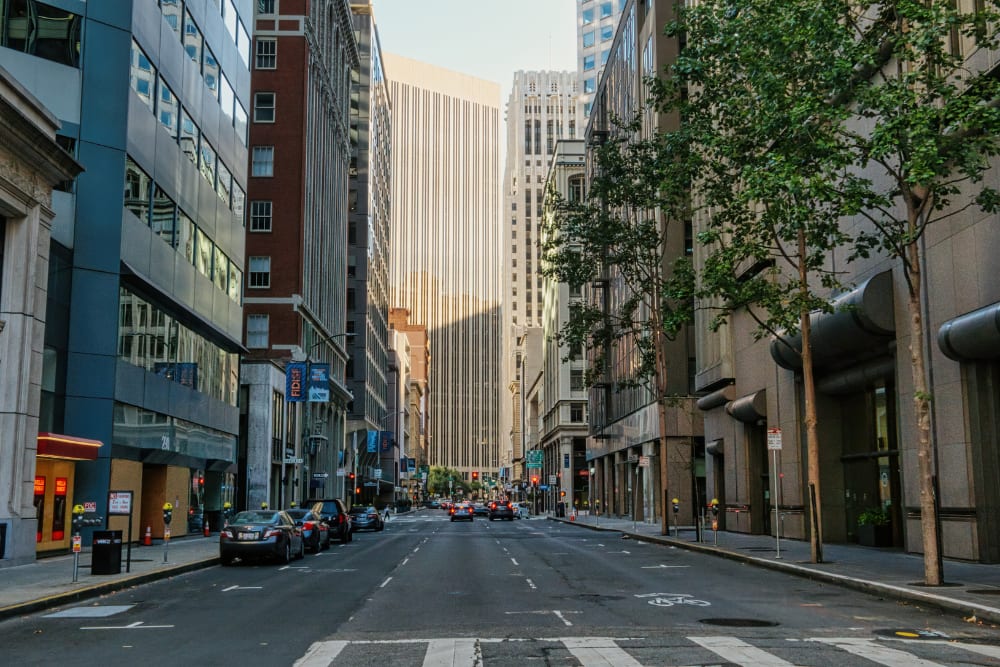

Over the past decade, many millennials sought suburban comfort, larger homes, and quieter lifestyles. Yet, a noticeable shift is happening: millennials are returning to the city, living in growing numbers. This urban revival is fueled by changing priorities, evolving work patterns, and the desire for vibrant communities. Cities are once again becoming hubs of opportunity, culture, and convenience, attracting a generation that values experiences as much as stability. Understanding why millennials are drawn back to urban centers reveals important insights for real estate markets and city development. 
The Appeal of Modern City Living
Millennials are redefining what it means to live in the city. Unlike previous generations, they prioritize lifestyle amenities, walkability, and access to cultural experiences. Urban neighborhoods offer proximity to restaurants, coworking spaces, gyms, and entertainment venues—all within walking distance or a short commute. This convenience is a major draw for young professionals who value time efficiency and social engagement.
Another factor is the rise of remote and hybrid work. While suburban living once seemed ideal for work-from-home setups, many millennials now crave the energy and networking opportunities that cities provide. Coffee shops, shared workspaces, and networking events create a dynamic environment that supports career growth. Cities also offer better public transportation options, reducing reliance on cars and aligning with millennials’ eco-conscious values.
Real estate trends show increasing demand for apartments and condos in revitalized downtown areas. Developers are responding by creating mixed-use communities that combine residential, retail, and leisure spaces. This urban design caters directly to millennials’ desire for convenience and community, making city living more attractive than ever. 
Economic Opportunities and Cultural Vibrancy
Cities remain the epicenter of economic growth, offering diverse job opportunities across industries such as technology, finance, healthcare, and creative sectors. Millennials, who often seek career advancement and entrepreneurial ventures, find cities to be fertile ground for professional development. Access to networking events, mentorship programs, and industry hubs makes urban areas highly appealing.
Beyond economics, cultural vibrancy plays a significant role. Millennials value experiences over possessions, and cities provide endless opportunities for exploration. From art galleries and live music venues to food festivals and nightlife, urban centers deliver a lifestyle that suburban areas often cannot match. Diversity is another key factor—cities expose residents to different cultures, cuisines, and perspectives, enriching their daily lives.
Millennials are also driving demand for sustainable urban development. They support eco-friendly housing, bike lanes, and green spaces, pushing cities to innovate in ways that align with their values. This generation’s influence is reshaping urban landscapes, making them more inclusive, sustainable, and community-oriented. 
Real Estate Market Insights: Why Realtors Should Pay Attention
For realtors, the millennial-driven urban revival presents significant opportunities. Millennials are now the largest group of homebuyers, and their preferences are shaping market trends. They often favor smaller, affordable properties in prime locations over large suburban homes. Condos, lofts, and apartments with modern amenities are in high demand.
Realtors should highlight features such as walkability, access to public transit, and proximity to cultural hotspots when marketing urban properties. Digital marketing strategies are crucial, as millennials rely heavily on online platforms and social media when searching for homes. Virtual tours, neighborhood guides, and lifestyle-focused content resonate strongly with this demographic. 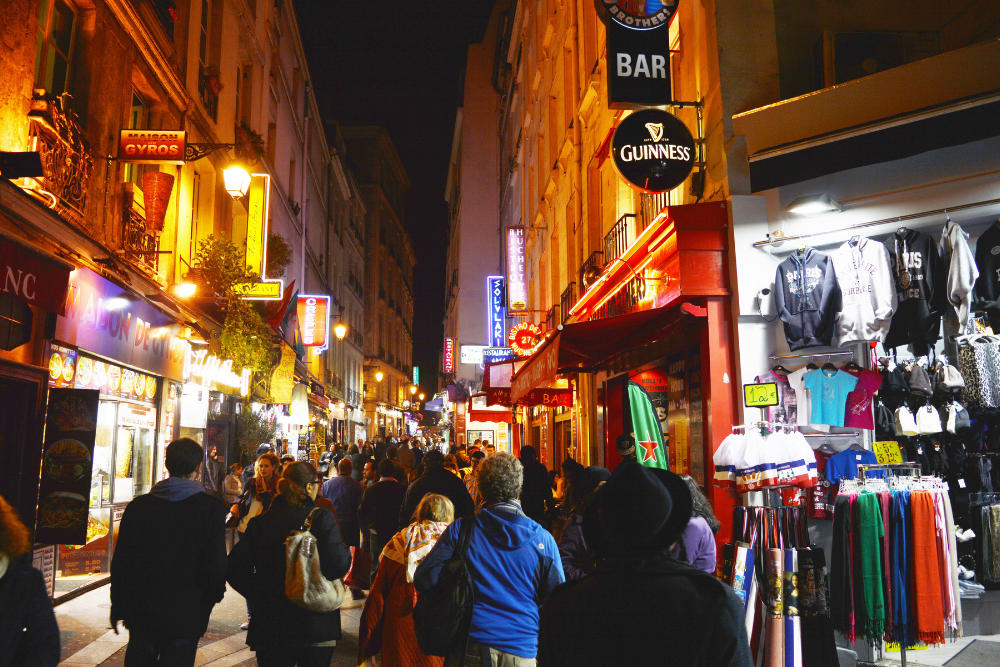
Additionally, millennials are more open to renting or investing in multi-family properties. Realtors who understand these preferences can position themselves as trusted advisors in navigating the evolving urban market. By focusing on lifestyle-driven selling points, realtors can capture the attention of millennials eager to embrace city living once again.
Ready to explore the best urban properties tailored to millennial lifestyles? Discover vibrant neighborhoods, modern condos, and city homes that fit your goals.