
Across the West Coast, from California’s sunlit coastlines to Oregon’s green valleys and Washington’s evergreen shores, a new trend is shaping the housing market: sustainability. Today’s buyers are no longer just searching for waterfront views or proximity to city hubs—they’re demanding eco-friendly homes that align with their values of environmental stewardship and energy efficiency. As climate change, rising utility costs, and lifestyle preferences drive decisions, sustainable real estate is becoming more than a niche—it’s a necessity. This shift has transformed the West Coast housing market, making August 2025 an especially important moment for eco-conscious buyers and sellers alike.

The Rise of Eco-Friendly Homes on the West Coast
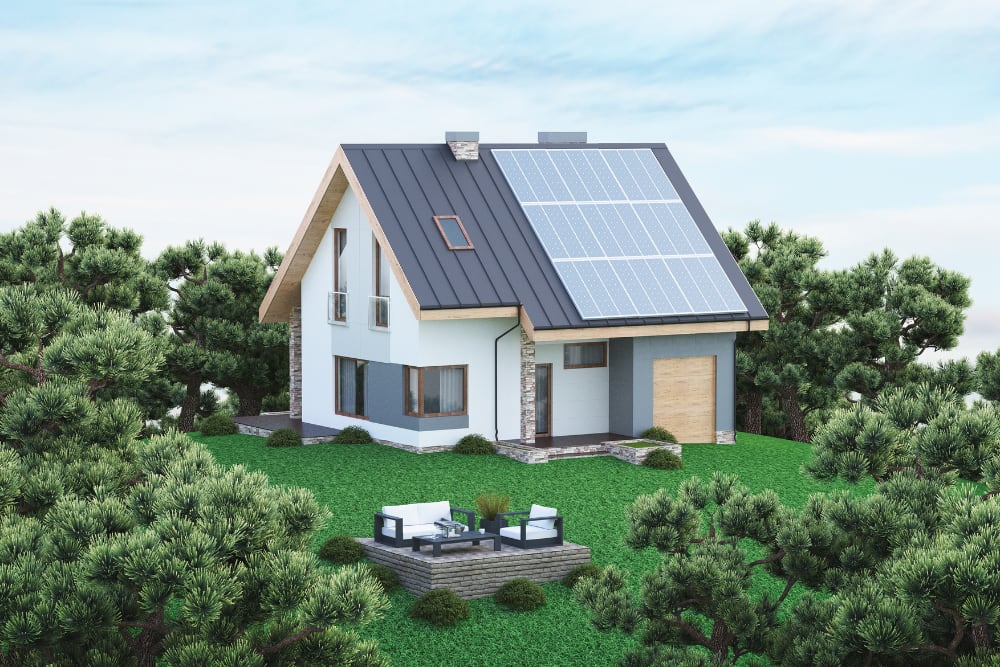
Eco-friendly real estate has surged in popularity over the past decade, particularly along the West Coast where environmental awareness runs deep. In cities like San Francisco, Portland, and Seattle, buyers are increasingly prioritizing homes with green certifications such as LEED, Energy Star, or Passive House. Solar panels, energy-efficient windows, and sustainable construction materials are not just attractive features—they’re expectations for many modern buyers.
A driving factor behind this demand is cost savings. With utility costs rising, buyers see eco-friendly upgrades as long-term investments. For example, solar-powered homes in California can reduce annual electricity bills by thousands of dollars, while smart water systems in drought-prone areas like Southern California help conserve precious resources.
Beyond economics, lifestyle values also play a key role. Millennials and Gen Z buyers, who now make up a large share of the housing market, are especially motivated by climate-conscious living. For them, purchasing a home is not just about comfort—it’s a reflection of personal values and a way to minimize environmental impact.
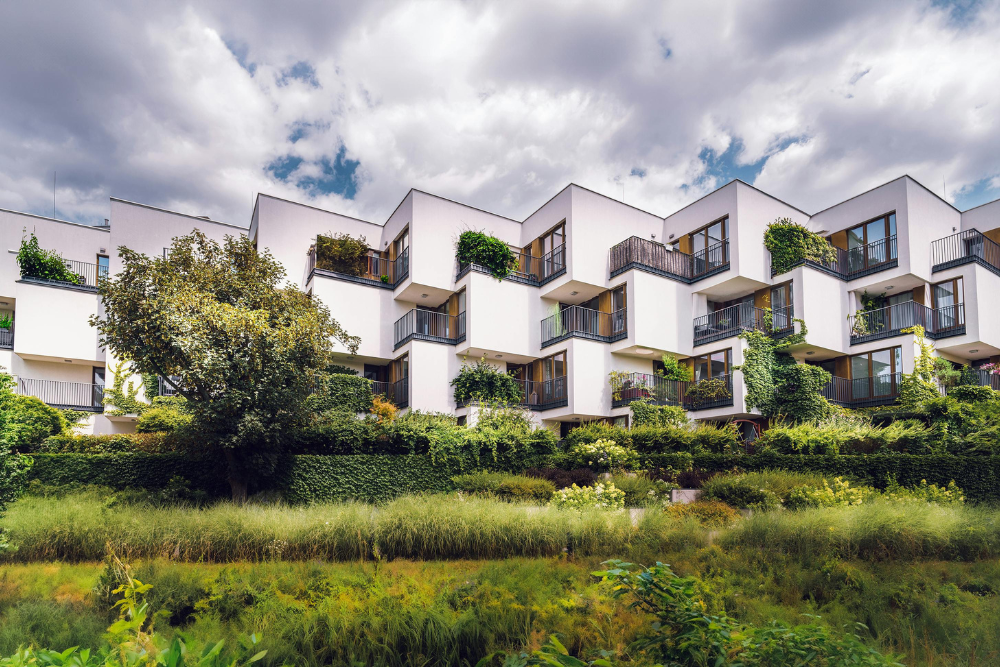
Key Sustainable Features Buyers Are Looking For
West Coast homebuyers have become increasingly specific in the types of eco-friendly features they want. Properties that incorporate these elements are not only selling faster but also commanding premium prices:
Solar Energy Systems: Rooftop solar panels or community solar integration reduce dependence on traditional energy sources.
Energy-Efficient Design: High-performance windows, smart thermostats, and advanced insulation improve comfort while reducing energy consumption.
Water Conservation: Rainwater harvesting, low-flow fixtures, and drought-resistant landscaping are critical in California and other dry regions.
Sustainable Materials: Bamboo flooring, recycled steel, reclaimed wood, and low-VOC paints enhance both health and eco-friendliness.
Smart Home Technology: Integrated systems that track and optimize energy and water usage appeal to tech-savvy buyers.
Location Efficiency: Proximity to public transit, bike-friendly communities, and walkable neighborhoods reduce reliance on cars, another eco-priority.
These features are no longer reserved for luxury homes. Mid-range properties in suburban areas like Sacramento, Eugene, and Tacoma are increasingly integrating green upgrades, widening accessibility for first-time and move-up buyers alike.

How Sustainability is Reshaping the West Coast Real Estate Market
The focus on sustainable homes is not just a passing trend—it’s reshaping real estate strategies across the West Coast. Sellers who invest in eco-friendly upgrades often see higher resale values and faster offers. In fact, studies show that green-certified homes can sell for 5–10% more than non-certified properties in competitive markets.
Developers, too, are embracing sustainability. New master-planned communities in Oregon and Washington are incorporating solar grids, community gardens, and electric vehicle (EV) charging stations as standard amenities. Meanwhile, California legislation continues to push for net-zero homes, requiring new construction to meet higher efficiency standards.
Buyers who prioritize sustainability also reap intangible benefits. They enjoy healthier indoor air quality, lower carbon footprints, and a sense of contributing to long-term environmental goals. For many, these values are just as important as the financial advantages.
The Future of West Coast Housing is Green
As sustainability moves from “nice-to-have” to “must-have,” eco-friendly homes are becoming the defining feature of the West Coast real estate market. Buyers along the coast are no longer content with traditional designs—they want homes that respect the environment, save money, and enhance daily living. Sellers and developers who adapt to these priorities are better positioned to thrive in this evolving market.
Ready to explore eco-friendly homes on the West Coast? Let’s connect today—I’ll help you find a property that matches both your lifestyle and your values.