


Tigard and Tualatin offer a practical mix of outdoor access, everyday convenience, and housing options that can make a move feel more informed and less rushed. From trails and river access to established neighborhoods, retail centers, and commuter connections, these adjacent communities give buyers a lot to compare in a compact area. If you want to move with a clearer picture of day-to-day living, the details below can help you narrow what matters most.
Why these neighboring communities stay on buyers’ short lists
Just southwest of Portland, Tigard and Tualatin often come up together in home searches, but they do not feel identical on the ground. One leans a little more toward major retail corridors, civic destinations, and a broad range of housing styles, while the other tends to stand out for river access, business campuses, and a polished network of parks and trails. For anyone planning a smarter move, that difference matters because the best choice is rarely about a city name alone. It is about how your commute, recreation, errands, and preferred home style line up in real life.

Tigard is known for established residential pockets, access to Washington Square and Bridgeport-area amenities nearby, and routes that connect efficiently to Beaverton, downtown Portland, and other parts of Washington and Clackamas counties. Tualatin brings its own appeal with the Tualatin River National Wildlife Refuge nearby, river-oriented recreation, and a community layout that often feels organized around green space and easy circulation. Both places offer a balance many buyers want: room to move around, familiar conveniences, and homes that range from condos and townhomes to larger detached properties.
That practical balance is what makes a local tour so useful. Two homes with similar square footage can feel completely different depending on whether they sit near a trail connection, a busy corridor, a newer planned area, or an older street pattern with mature trees and larger lots. In this part of the metro, the map around the home can be just as important as the floor plan itself.
A short drive can shift the feel dramatically here. Touring by time of day is one of the easiest ways to compare traffic flow, noise levels, trail access, and how convenient errands really feel.
Parks, trails, and everyday outdoor access
For many buyers, outdoor amenities are not just nice extras; they shape daily routines. Tigard has standout spots like Cook Park, a long-time local favorite with sports fields, walking paths, riverfront access, and plenty of room to spread out. The Fanno Creek Trail system also adds value to the area by creating useful links for walking, running, and cycling through green corridors that feel separate from the busiest roads. Those trail connections can make nearby neighborhoods especially appealing for people who want recreation close at hand without a long drive.
Tualatin offers its own strong lineup. Tualatin Community Park is a central draw, and the city’s pathway system helps connect parks, neighborhoods, and civic spaces in a way that feels intentional. Browns Ferry Park adds a different layer with access to the river and a more tucked-away atmosphere. The nearby wildlife refuge is another major asset for residents who appreciate protected open space, bird habitat, and quiet scenery that is hard to replicate in more densely built parts of the metro area.
These amenities matter beyond weekend plans. A nearby path can become part of a morning walk. A large park can double as a low-key meeting place, exercise option, or simple reset after work. When buyers compare homes in Tigard and Tualatin, these features often become tie-breakers because they influence how a neighborhood functions day after day.
Local favorites that help define the feel of each place
What makes an area memorable is often the mix of everyday destinations that residents actually use. In Tigard, that can mean proximity to retail centers, practical services, library and civic amenities, and quick access to nearby dining clusters across the southwest metro. The city has pockets that feel established and familiar, with a blend of older homes, updated properties, and newer infill that gives buyers a wide visual range as they tour.

Tualatin tends to leave an impression through its clean layout, business and employment base, attractive park system, and access points to the river and I-5 corridor. Local gathering spots, seasonal events, and well-kept public spaces give it a polished rhythm. Buyers who are comparing the two cities often notice that Tualatin can feel a bit more tucked in, while Tigard may feel more connected to a broader web of nearby destinations and shopping corridors.
Neither observation is a value judgment; it is simply part of understanding fit. Some buyers prioritize a more central launch point for errands and commuting. Others care more about green space access, street feel, or a quieter sense of separation from major commercial areas. The strongest move strategy is to identify which conveniences you will actually use weekly and then search around those anchors instead of starting only with price or bedroom count.
When buyers compare similar homes in this area, nearby trail access, arterial-road convenience, and lot configuration often influence long-term satisfaction as much as interior finishes.
Another smart step is to look at how each area supports your nonnegotiables. That might include garage space, a home office setup, townhome maintenance level, yard size, or proximity to key routes like Highway 217, I-5, or OR-99W. Because Tigard and Tualatin sit in such a connected part of the metro, it is possible to fine-tune your search more than people initially expect.
What to watch in the housing mix and market pace
The housing stock across Tigard and Tualatin is varied enough to support very different goals. Buyers can find attached options that may simplify maintenance, established single-level homes, traditional two-story properties, and newer builds with more contemporary finishes. Lot sizes and street patterns also vary widely, which is why a broad online search can hide meaningful differences. One neighborhood may offer mature landscaping and larger setbacks, while another may emphasize newer construction and more efficient use of land.
Market pace can shift by price point and property type, so a smart move here usually means watching inventory with some discipline. Well-prepared listings near parks, good commuter routes, or newer retail and service hubs can still draw quick attention. On the other hand, homes needing updates or those with more location-specific tradeoffs may create opportunities for buyers willing to look past cosmetic issues and focus on layout, systems, and long-term livability.
For sellers, these communities reward preparation. Small improvements to landscaping, lighting, paint, and pre-listing maintenance can help buyers connect the home to the outdoor-oriented, well-kept image many associate with this part of the metro. For buyers, clarity is just as important. Knowing whether you value trail access, a shorter drive pattern, newer construction, or a larger lot can keep your search from drifting.
Search Tigard / Tualatin listings
A smarter move starts with seeing the details in person
Tigard and Tualatin work well for buyers who want options without losing focus. You can compare outdoor amenities, commuting routes, housing styles, and everyday conveniences within a relatively compact stretch of the Portland metro. That makes these neighboring communities especially useful for people refining what matters most, because the tradeoffs become easier to spot once you spend time in each area.
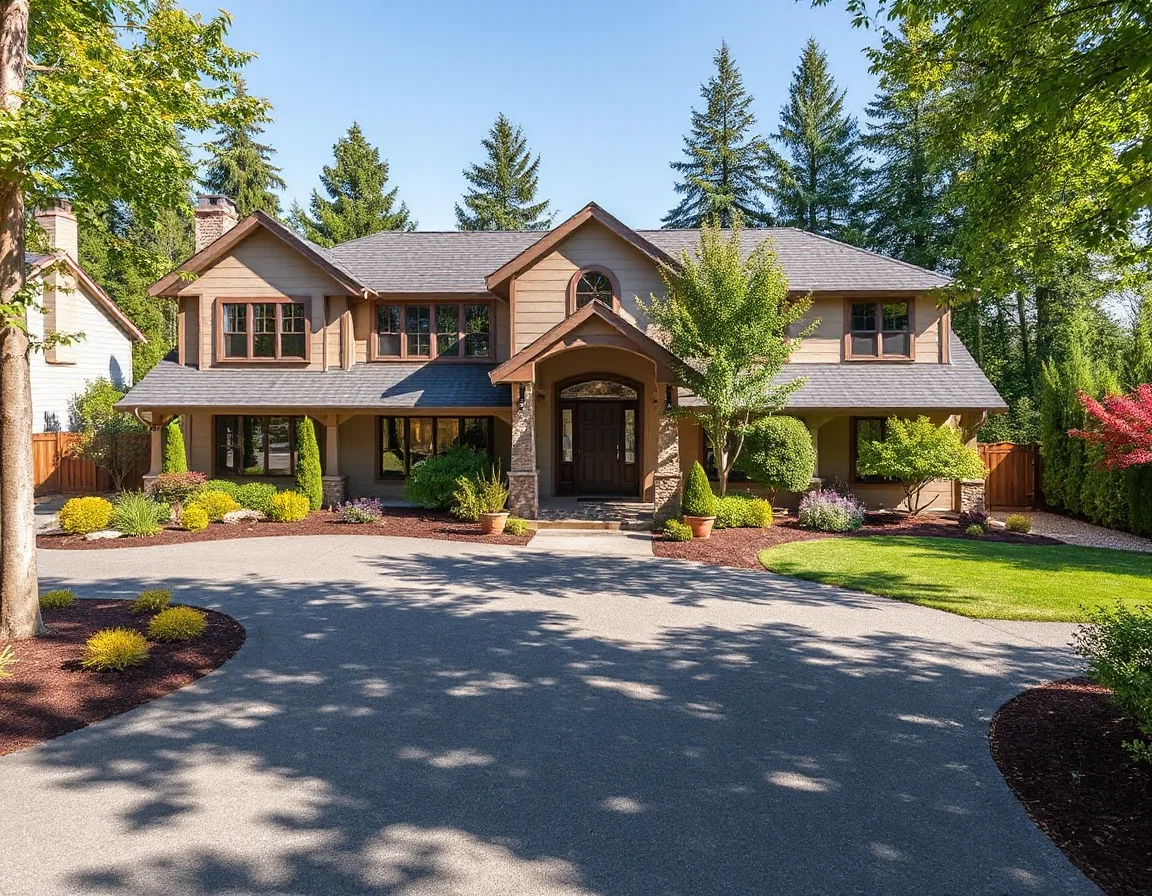
The best way to approach a move here is with curiosity and a practical checklist. Visit the parks you would actually use. Drive the routes that would shape your week. Compare home styles street by street instead of assuming the two cities feel the same. With that approach, Tigard and Tualatin stop being just points on a search map and start becoming places you can evaluate with confidence.
In a market where details matter, these two communities offer more nuance than their proximity suggests. If your goal is a move that feels well-matched to your routine rather than simply fast, they are both worth a closer look.