


Tigard and Tualatin offer a practical mix that many home buyers look for: accessible routes around the metro, abundant green space, and the kind of daily services that make routines easier. This guide breaks down what it feels like to move through these neighboring communities, from commute patterns and trail access to shopping, dining, and housing choices. If you want a place where convenience and recreation can sit in the same weeknight schedule, these two areas deserve a closer look.
Why Tigard and Tualatin Stay on Buyers’ Short Lists
Just southwest of Portland, these neighboring communities have built a reputation around usability. The appeal is not about one flashy landmark or a single headline-grabbing district. Instead, it comes from the way everyday life can work smoothly here: reaching major employers, picking up groceries without a long detour, finding a trail after work, and having a wide range of housing styles within a relatively connected part of the metro.

Tigard tends to feel a bit more varied and busy in its layout, with retail corridors, established residential pockets, and access points that connect residents to multiple directions across Washington County and beyond. Tualatin, meanwhile, often stands out for its lake and river adjacency, trail systems, business parks, and an overall pattern of well-distributed conveniences. Neither place feels remote, yet both still offer room for parks, trees, and quieter side streets away from the main roads.
For buyers comparing communities in the Portland metro, that balance matters. Some people prioritize travel time; others care more about outdoor access or nearby services. Tigard and Tualatin consistently come up because they can serve several priorities at once without requiring a dramatic tradeoff between mobility and livability.
Commute Patterns and Getting Around the Metro
One of the biggest practical advantages here is transportation flexibility. Residents commonly use Interstate 5, Highway 217, and nearby arterials to connect with Beaverton, Lake Oswego, downtown Portland, and other employment centers around the region. Depending on where you live and where you work, your route may be straightforward in one direction and more congested in another, so location choice inside each city can matter almost as much as the city itself.
In this part of the metro, a home that saves even 10 to 15 minutes on a frequent route can noticeably change your weekly routine. It is often worth comparing likely drive times from specific neighborhoods, not just the city name on the map.
Tigard’s position near 217 is especially useful for people who need regular access to Beaverton, Cedar Hills, or connections north and east. Tualatin often appeals to those who want efficient I-5 access and easy movement toward Wilsonville, Lake Oswego, or southern job centers. Public transportation options are also part of the mix, and WES Commuter Rail can be relevant for certain schedules and destinations, particularly when predictability matters more than door-to-door speed.
Of course, “easy commute” is always relative in a growing metro area. Traffic can tighten during peak hours, and local bottlenecks near retail centers or freeway interchanges are not unusual. The smart approach is to think less in terms of broad claims and more in terms of your actual pattern: morning start time, school or activity stops, and how often you need to cross major corridors during the busiest windows.
Search Tigard / Tualatin listings
Parks, Trails, and Time Outside
Green space is a real part of the lifestyle here, not an afterthought. Tigard offers access to places such as Cook Park and the Fanno Creek Trail corridor, where paths, sports fields, riverfront views, and open lawn create room for both active recreation and low-key outdoor time. Tualatin adds a strong natural dimension with Tualatin Community Park, the Tualatin River National Wildlife Refuge nearby, and water-oriented scenery that gives parts of the city a distinctly relaxed feel.
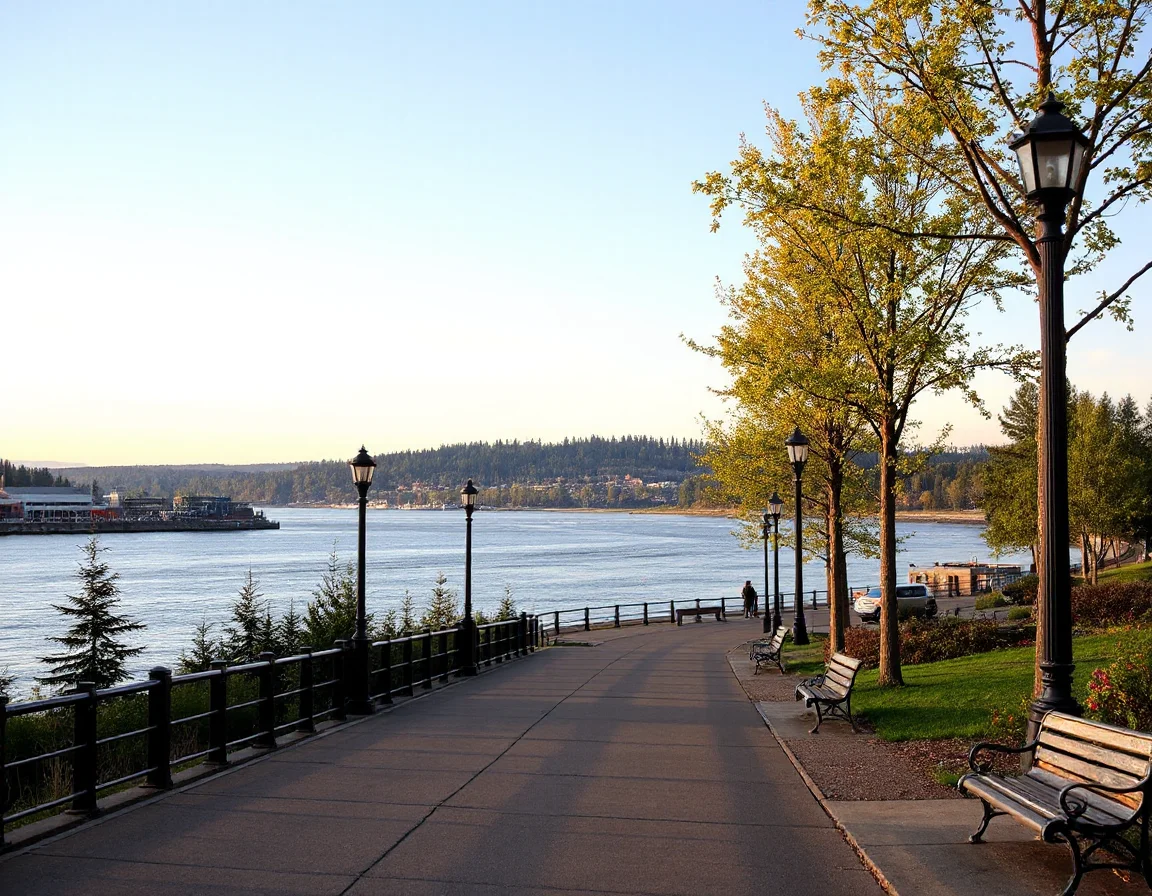
What stands out is how usable these spaces are on ordinary days. This is not just weekend-destination recreation. It is the kind of setting where a short walk can fit before dinner, where a paved trail becomes part of an exercise routine, or where open space gives visual relief in the middle of a busy week. Buyers often notice that access to parks can influence how a neighborhood feels even when they do not plan to use every amenity immediately.
Seasonality also plays well here. Spring and summer naturally bring out the fullest version of local parks, but the tree cover, river corridors, and trail systems still add value through much of the year. In an area known for gray skies part of the year, having nearby outdoor options can make daily life feel more grounded and less car-to-building-to-car.
For anyone comparing housing near more urbanized stretches of the metro, this is one of the clearest advantages. The recreational infrastructure is woven into the communities rather than sitting on the edges as a distant bonus.
Everyday Conveniences: Errands, Dining, and Daily Rhythm
One reason buyers stay interested in Tigard and Tualatin is simple: they are convenient. Grocery stores, pharmacies, fitness options, home improvement retailers, medical offices, and service businesses are broadly accessible. Bridgeport Village, Washington Square area access, neighborhood retail clusters, and local commercial nodes mean many errands can be handled without crossing half the region.
Convenience often shows up in small moments: a shorter grocery run, a closer appointment, or an easier stop on the way home. Those routine efficiencies can matter just as much as headline amenities when choosing where to live.
Dining options are varied as well, with a mix of casual local spots, familiar regional names, and places suited to a quick weeknight meal or a more relaxed evening out. The atmosphere is generally practical rather than overly performative. That can be a plus for buyers who want access to choices without depending on a dense urban core for every outing.
There is also a broad range of community-serving amenities that support daily routines: libraries, recreation facilities, neighborhood gathering spaces, and local events throughout the year. These features do not always dominate marketing photos, but they often shape how residents experience a place after move-in. The result is a day-to-day rhythm that can feel efficient without feeling sterile.
Housing Mix and What Buyers Should Watch
The housing stock across Tigard and Tualatin gives buyers options. You will find established subdivisions, townhomes, newer construction in select pockets, larger lots in some areas, and homes closer to commercial conveniences in others. Architectural styles vary, and that variety can be helpful for buyers trying to prioritize either updates, layout, yard space, or location efficiency.
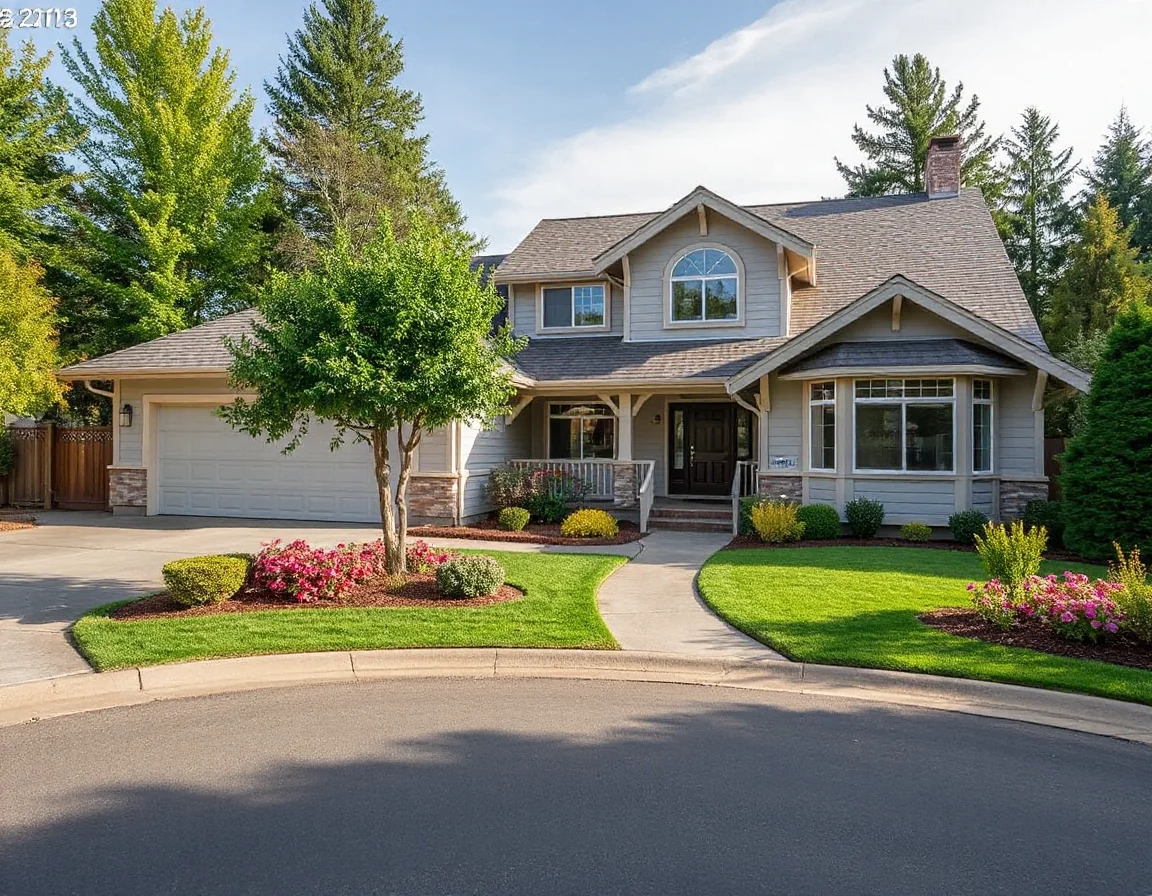
As in many established metro-area communities, micro-location matters. A home near a major route may offer faster access around the region but come with more traffic noise. A property tucked deeper into a residential pocket may feel more buffered while adding a few minutes to regular errands. Buyers should pay attention to lot orientation, road proximity, age of systems, and the practical flow of the home as much as surface-level staging.
Market conditions can shift, but well-located homes in these areas often attract steady attention because the underlying demand drivers are durable. Access, amenities, parks, and regional connectivity are not trends; they are long-term value factors. That does not mean every listing is priced perfectly, of course. It does mean buyers should be ready to compare homes on more than square footage alone.
For sellers, those same strengths can be highlighted in an objective way: trail access, commute routes, shopping convenience, and property features that support everyday functionality. Clear, factual presentation tends to resonate because people shopping here are often evaluating how a home fits a real routine.
The Bottom Line on Living Here
Tigard and Tualatin work well for buyers who want a connected part of the Portland metro with strong everyday infrastructure and meaningful access to outdoor space. They are not one-note communities, and that is part of their appeal. You can find practical commute options, appealing neighborhoods, useful shopping districts, and plenty of green relief in the same general area.
If you are narrowing your search, the best next step is to compare specific pockets within each city based on your actual routine. The right fit may come down to freeway access, trail proximity, home style, or how close you want to be to regular errands. Seen up close, these neighboring communities often make a strong case for anyone looking for a home base that supports both movement and downtime.